dark web
Darknet Sites: A Guide to the Hidden Web
This guide is for users seeking to understand darknet sites, their uses, and safety precautions for accessing them.
- First published
- 12 minutes
Valuable Resources and Links Available on the Tor Network Explore the catalog
This guide is for users seeking to understand darknet sites, their uses, and safety precautions for accessing them.

This selection highlights essential services accessible through Tor, enhancing user experience in the hidden web. Each service prioritises privacy and offers unique features for various needs.
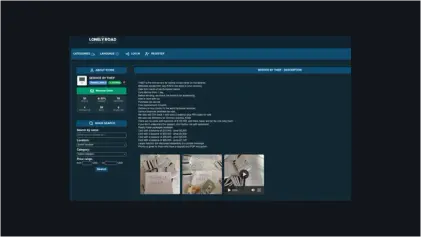
LONELY ROAD — A multilingual marketplace with AI support and diverse product offerings.
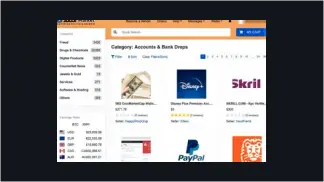
Tor2Door Market — A marketplace focused on privacy with a straightforward interface.
ytjm2aoy6o65si4xs3ltqs5jbkzyefvzlyzi4u3srqlljlcdhd6bojqd.onion
Professor Mariarti — A dedicated channel sharing insights about Tor services and online risks.
Nexus Market — A reliable platform for buying digital goods with secure transactions.
ums7mctigzemj3thj7nihnbpdb4evkvwvdfd3obodu2iv2q3s522aiyd.onionDarknet sites are .onion services accessible only via the Tor network, hosting both legal (e.g., privacy tools, dissident forums) and illegal content123. They use cryptographic authentication to hide user and server identities, but require Tor Browser for access45.
Darknet sites refer to .onion services that operate on encrypted networks such as Tor and I2P. These sites are specifically designed to be accessed only through specialised software, which facilitates anonymous browsing and communication. The Tor network, for instance, anonymises user traffic through a method called onion routing, where data is encrypted in layers and sent through multiple nodes before reaching its destination. This process helps protect users' identities and prevents tracking by external parties45.
Understanding the distinction between the dark web, deep web, and surface web is crucial. The surface web constitutes approximately 4% of the total internet, which is accessible through standard search engines and browsers. In contrast, the deep web accounts for about 96%, including databases, private corporate sites, and academic resources that are not indexed by traditional search engines. The dark web, a subset of the deep web, represents an estimated 0.01% of the internet by addresses or between 5–10% by data size, encompassing both illicit and legitimate activities31.
To access darknet sites, users must employ the Tor Browser, which connects to .onion addresses. These addresses serve as unique identifiers for authentication and secure connections. The anonymity provided by the Tor network makes it appealing for various users, including those seeking privacy from surveillance, activists communicating under oppressive regimes, or individuals engaging in illegal transactions23.
In summary, darknet sites operate on encrypted networks and require specific software for access, differentiating them from the broader deep web and surface web.
Darknet sites can serve both legitimate and illegal purposes. Categories of legal darknet sites include journalism, privacy tools, and government services. For instance, platforms like SecureDrop allow whistleblowers to communicate securely with journalists, while Proton Mail offers encrypted email services for privacy-conscious users3. Additionally, some government entities use the dark web to provide services in regions where censorship is prevalent.
The legal status of accessing darknet sites varies by jurisdiction. In the United States, merely accessing these sites is not illegal; however, engaging in illegal activities such as drug trafficking or purchasing illegal goods can lead to prosecution. European Union laws may also present gray areas; while accessing the dark web is generally legal, specific activities can attract scrutiny from law enforcement. The distinction between accessing and engaging in illegal activities is crucial for users navigating the dark web.
Several significant cases highlight law enforcement's efforts to combat illegal activities on the dark web. The takedown of Silk Road in 2013 demonstrated the potential for government intervention, leading to the arrest of its founder and the seizure of millions in cryptocurrency6. More recently, in April 2022, the U.S. Department of Justice coordinated the seizure of Hydra Market, noted as the world's largest darknet marketplace7. Operations like SpecTor and Narsil have disrupted various criminal networks, showcasing the ongoing battle between law enforcement and darknet operators89.
The legal status of using Tor varies by country. While it is generally legal in most jurisdictions, some nations impose restrictions or outright bans on its use due to concerns over anonymity and illicit activities. Users should be aware of local laws before accessing darknet sites, as misuse can lead to legal repercussions.
Understanding the landscape of legitimate versus illegal darknet sites is essential for safe navigation. Users should be vigilant about the risks associated with dark web activities, including the potential for malware and law enforcement monitoring10.
Darknet sites can be grouped into several categories based on their primary purposes. Each category serves distinct user needs, ranging from secure communication to privacy tools.
While many darknet marketplaces focus on illegal goods, some platforms are known for their legitimate offerings. For example, there are sites that facilitate the exchange of digital goods and services without engaging in illegal activities. However, specific examples are not provided here to avoid promoting illegal content.
Several darknet sites focus on secure communication. Proton Mail is an encrypted email service that prioritises user privacy and anonymity. SecureDrop is another notable example, allowing whistleblowers to submit documents to journalists without revealing their identities. These platforms support free speech and protect users from potential reprisals in oppressive regimes.
The dark web hosts various news outlets that aim to provide uncensored information. ProPublica operates on the dark web, offering investigative journalism that highlights issues often overlooked by mainstream media. This platform allows users to access important news while maintaining their anonymity.
Research-focused sites on the dark web provide valuable resources for academics and professionals. For instance, some platforms allow researchers to share sensitive data or findings without the risk of censorship. These sites often require robust security measures to protect the integrity of the information.
Certain government entities have established a presence on the dark web to provide services in regions with high censorship levels. These sites can offer essential information and resources to citizens who may struggle to access them through traditional channels.
Many tools designed for enhancing online privacy are available on the dark web. Services like DuckDuckGo (dark web version) allow users to search the internet without tracking, while VPN services provide additional layers of anonymity. These tools are crucial for users seeking to protect their online activities from surveillance.
Understanding the various categories of darknet sites can help users navigate this complex landscape while prioritising safety and privacy.
Accessing darknet sites requires careful preparation and adherence to specific safety protocols. Follow these steps to ensure a secure experience.
Begin by downloading the Tor Browser from the official Tor Project website. This browser is essential for accessing .onion sites and provides the necessary anonymity by routing internet traffic through the Tor network4.
Before installing the Tor Browser, verify its signatures to confirm its authenticity. This step helps prevent the installation of malicious software disguised as the Tor Browser. Instructions for verifying signatures are available on the Tor Project's website.
Once installed, configure the security settings within the Tor Browser. Set the Security Level to “Safest” in the security settings menu. This option disables potentially risky features, such as JavaScript, which can expose users to malware and tracking. Disabling JavaScript is particularly important as it can lead to security vulnerabilities when browsing darknet sites10.
While Tor offers a degree of anonymity, using a Virtual Private Network (VPN) can add an additional layer of privacy. A VPN encrypts internet traffic and masks the user's IP address before it enters the Tor network. However, for basic access to darknet sites, using Tor alone may suffice, especially if the user avoids risky behaviours10.
Several common mistakes can compromise safety while accessing darknet sites:
By following these steps and remaining vigilant, users can navigate the darknet more safely. Understanding and adhering to these guidelines can significantly reduce the risks associated with accessing dark web content.
Darknet sites present various safety risks and threats that users should be aware of. Key threats include malware, phishing, scams, law enforcement monitoring, and exit node attacks. Research indicates that approximately 60% of dark web sites host some form of malware, making it essential for users to exercise caution when browsing10.
Malware on darknet sites can take many forms, including ransomware and spyware, which can compromise personal information or disrupt system functionality. Phishing attempts are also prevalent; attackers may create counterfeit sites mimicking legitimate services to steal sensitive data. Common scams involve fake marketplaces where users are tricked into paying for goods that are never delivered, often resulting in financial loss.
Law enforcement agencies actively monitor dark web activities to combat illegal activities. Operations such as SpecTor and Narsil have successfully dismantled multiple darknet marketplaces, demonstrating the risks users face from potential legal repercussions89. Additionally, exit node attacks can occur when malicious actors monitor unencrypted traffic leaving the Tor network, potentially exposing users’ activities.
To identify and avoid malicious links, users should check for HTTPS connections, although this is less common on .onion sites. It is advisable to rely on verified .onion addresses, particularly those listed in trusted directories, and to avoid mirrors that may lead to compromised sites. Users should also ensure they are using the latest version of the Tor Browser, which includes security features designed to protect against these threats2.
Understanding these risks and adopting precautionary measures can help users navigate the dark web more safely.
Verifying the legitimacy of darknet sites is crucial to avoid scams and illegal activities. Several tools and methods can assist in this verification process, including community forums, PGP signatures, and trusted directories.
Community forums such as Dread provide valuable insights and reviews about various darknet sites. Users can share their experiences, helping others identify which sites are legitimate. PGP signatures are another essential verification tool. When a site offers PGP-signed messages, it indicates that the site owner is taking steps to ensure authenticity and security. Users can check these signatures against known public keys to confirm legitimacy.
Trusted directories, like The Hidden Wiki, can also be useful, but they come with caveats. While these directories list various .onion sites, some links may lead to outdated or malicious content. Always cross-reference with recent community feedback or other sources.
Certain red flags should be noted when assessing a site's legitimacy. A lack of PGP signatures, broken links, or requests for personal data are significant warning signs. Legitimate sites usually prioritise user privacy and security, so any site asking for identifiable information should be approached with caution.
To assist users in verifying a site's legitimacy, the following checklist can be useful:
By employing these methods and being vigilant about potential red flags, users can navigate the darknet more safely and confidently.
Legitimate uses of darknet sites highlight their role in supporting research, journalism, and privacy advocacy. These platforms provide crucial resources for professionals operating in environments where censorship and surveillance are prevalent.
ProPublica is one such site, known for its investigative journalism. It operates on the dark web to allow users to access important news stories while protecting their identities from potential reprisals in oppressive regimes. This commitment to free speech underscores the importance of anonymity in journalism3.
SecureDrop is another notable platform that enables whistleblowers to submit documents to journalists without revealing their identities. This tool is vital for exposing corruption and wrongdoing, as it allows for secure communication between sources and reporters3.
Proton Mail, an encrypted email service, is designed to protect user privacy and ensure secure communications. By using end-to-end encryption, it allows users to communicate safely without the risk of interception4. These services are essential for those who prioritise confidentiality in their communications, particularly in sensitive contexts.
Ethical and legal usage of these sites is paramount. Engaging with them for research or journalism requires adherence to legal standards and ethical guidelines. Users must ensure that their activities do not violate local laws or regulations and that they maintain the integrity of their work by respecting the privacy of individuals involved.
In summary, darknet sites play a crucial role in facilitating research, journalism, and privacy advocacy, providing tools that support ethical practices in environments where traditional media may be restricted.
| Category | Examples | Legality | Safety Tips |
|---|---|---|---|
| Research Sites | ProPublica, SecureDrop | Legitimate | Use PGP signatures for verification |
| Government Services | Anonymous government portals | Legitimate | Cross-check with official sources |
| Privacy Tools | DuckDuckGo (dark web), Proton Mail | Legitimate | Avoid sharing personal information |
| Illegal Marketplaces | Silk Road, Hydra Market | Illegal | Be aware of law enforcement monitoring |
| Scam Sites | Fake marketplaces | Illegal | Check community reviews before engaging |
| Malware Sites | Sites hosting malware | Illegal | Use security features in Tor Browser |
The dark web hosts both legitimate and illegal sites. Notable examples include ProPublica for investigative journalism, SecureDrop for whistleblowing, Proton Mail for encrypted email, DuckDuckGo’s dark web version for private searches, and the now-defunct Silk Road, a former illegal marketplace63.
Access requires the Tor Browser, which routes traffic through the Tor network to reach .onion sites. Download it from the official Tor Project site, verify its signatures, and configure security settings to disable JavaScript for safer browsing42.
Next, review trusted directories and their limitations in Darknet Wiki: Understanding the Darknet Landscape.
Discover additional resources and insights on navigating the darknet.
View More Articles[1] UNODC World Drug Report 2023 – Use of the Dark Web and Social Media for Drug Supply
[2] Onion Services – Tor Browser Official Documentation
[3] The Dark Web: An Overview – Congressional Research Service
[4] The Dark Web: What Is It, How to Access It, and Why We Need to Study It – SAGE Journals (2023)
[5] Tor Specifications: Rendezvous Protocol Overview
[6] Dark Web Marketplaces: Data for Collaborative Threat Intelligence – ACM Digital Threats (2023)
[7] The Dark Web: An Overview – Congressional Research Service (2022)
[8] Operation SpecTor Targets Darknet Markets – FBI Official Statement
[9] Operation Narsil – INTERPOL Official Press Release
[10] Darkweb Research: Past, Present, and Future Trends – PMC (2023)
[11] Largest International Operation Against Darknet Trafficking – U.S. Department of Justice
Exploring the depths of the unseen web together